How to Become a Diplomat: A Step-by-Step Guide
Discover the education, skills, and experiences you need to pursue a diplomatic career and represent your country on the global stage.
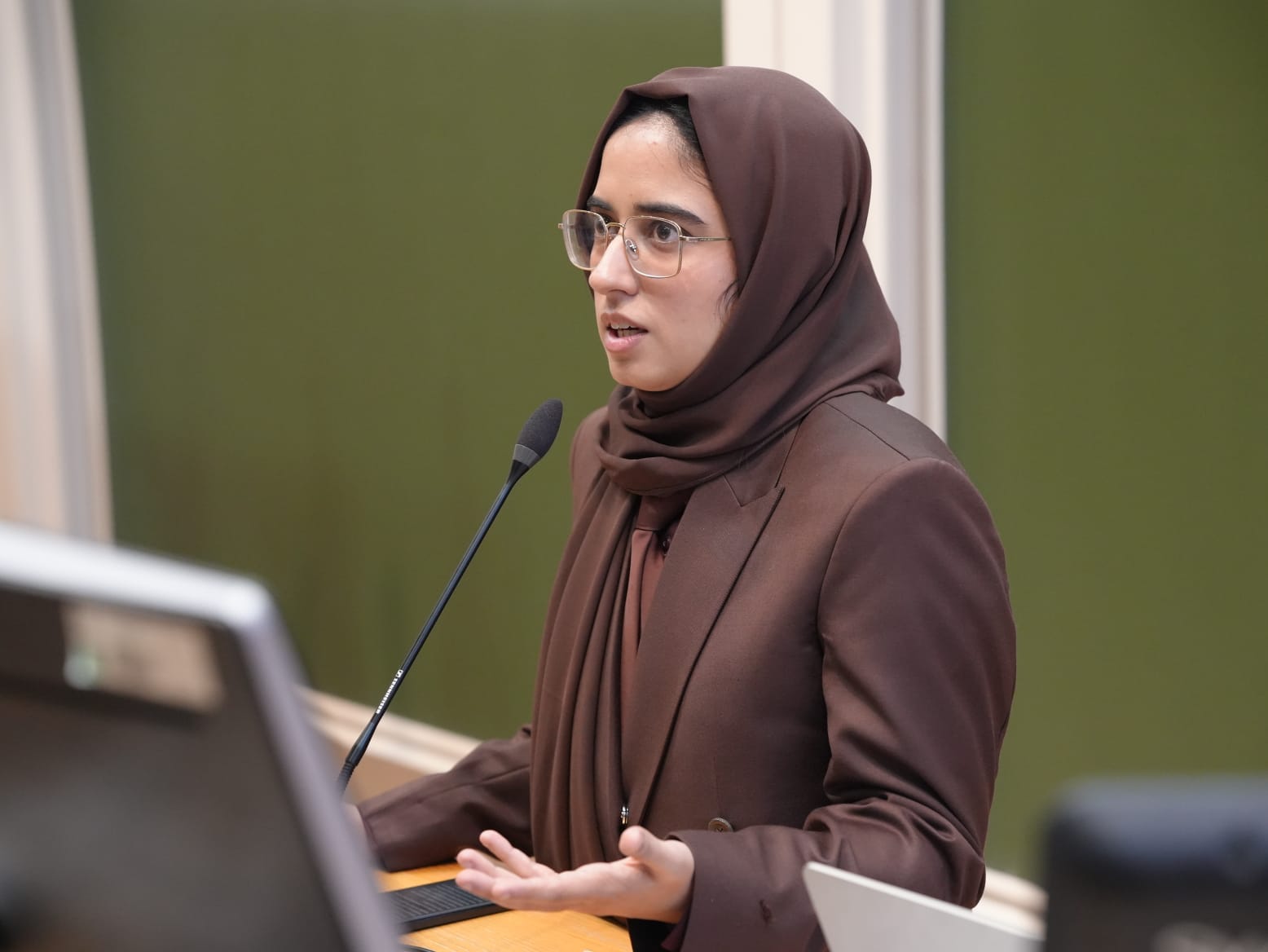
Table of Contents
- Build the Right Educational Foundation
- Understand Your Country's Diplomatic Entry Route and Examinations
- Develop Foreign Language Skills
- Gain Relevant Experience Before Applying
- Prepare for the Diplomatic Selection Process
- Complete Diplomatic Training and Receive Your First Posting
- Can You Start Preparing for Diplomacy While Still a Student?
- Does Youth Diplomacy Experience Matter?
A career in diplomacy begins long before your first international posting. Discover how to become a diplomat, what qualifications and skills you need, how foreign service recruitment works, and how to start preparing today.
Diplomacy is one of the most influential professions in international affairs. From representing national interests abroad and negotiating international agreements to participating in multilateral discussions and addressing global challenges, diplomats play an important role in shaping relations between countries.
For many young people, becoming a diplomat represents an opportunity to combine intellectual curiosity, international engagement and public service. It is a career that offers exposure to different cultures, international institutions, foreign governments and some of the most important political and economic developments of our time.

However, the path into diplomacy is not always straightforward. Different countries have different recruitment systems, educational expectations and competitive selection procedures. While some governments recruit diplomats through national civil service examinations, others operate dedicated foreign service recruitment programmes.
So, how to become a diplomat, and what can aspiring young diplomats do to prepare themselves for this career?
Whether you are a university student, a recent graduate or a young professional interested in international relations, this guide explains the essential steps, qualifications, examinations and experiences that can help you pursue a career in diplomacy.
Build the Right Educational Foundation
Education is often the first major step towards a diplomatic career. Although there is no universally prescribed degree for becoming a diplomat, developing a strong understanding of international affairs, politics, economics and global governance can provide a valuable foundation.
Some academic disciplines particularly relevant to diplomacy include:
International Relations: Examines relations between states, foreign policy, international organisations, security and global political developments.
Political Science: Develops an understanding of political systems, institutions, governance and public policy.
Law: Provides knowledge of international law, treaties, human rights and legal frameworks governing relations between states.
Economics: Helps explain international trade, financial relations, economic development and the global economy.
History: Offers valuable insight into historical conflicts, international agreements, political movements and the evolution of the international system.
Public Administration: Develops an understanding of government institutions, public policy and administrative processes.
A degree in International Relations can be particularly relevant, but it is certainly not the only route. Governments frequently recruit candidates from a variety of academic backgrounds, recognising that diplomacy requires expertise across multiple disciplines.
For instance, an economist may contribute to international trade negotiations, a lawyer may specialise in treaty-related matters, and someone with a background in political science may develop expertise in bilateral relations or foreign policy.
Beyond choosing a degree, students should concentrate on developing their research, analytical writing, critical thinking and communication abilities. Diplomats regularly interpret complex developments, prepare policy briefings and communicate positions that require accuracy, clarity and sound judgement.
The objective is to develop the intellectual foundation needed to understand the world and represent your country effectively.
Understand Your Country's Diplomatic Entry Route and Examinations
One of the most important things to understand when pursuing diplomacy careers is that there is no single international examination or recruitment system. Most professional diplomats enter government service through their country's foreign ministry, foreign service or designated civil service recruitment process. Consequently, aspiring diplomats should research the official recruitment pathway in their country well before applying.
Here are some examples of how the process works in different countries.
Pakistan: The Central Superior Services (CSS) Examination
In Pakistan, recruitment into the Foreign Service of Pakistan takes place through the Central Superior Services (CSS) examination, conducted by the Federal Public Service Commission (FPSC).
Candidates compete for different occupational groups within the civil service. The Foreign Service of Pakistan is one of these groups, and allocation depends on factors including examination merit, candidate preferences and the applicable allocation rules.
The process generally involves:
Meeting the eligibility requirements established by the FPSC.
Appearing in the CSS written examination.
Completing the prescribed medical examination and psychological assessment.
Appearing in the viva voce (interview).
Receiving an occupational group allocation according to merit, preferences and available vacancies.
Completing the required civil service and specialised diplomatic training.
Candidates allocated to the Foreign Service subsequently undertake specialised training at the Foreign Service Academy in Islamabad.
United States: The Foreign Service Officer Selection Process
The United States operates a dedicated Foreign Service recruitment system through the Department of State.
Candidates seeking to become Foreign Service Officers go through a competitive selection process that includes:
The Foreign Service Officer Test (FSOT).
A written and oral assessment process.
Medical and security clearances.
A final suitability review.
Placement on the hiring register and consideration for appointment.
The selection process evaluates candidates' knowledge, analytical abilities, communication and suitability for diplomatic service.
Other Countries
Other governments operate their own recruitment examinations and procedures.
For example, the United Kingdom recruits diplomatic personnel through the Civil Service and Foreign, Commonwealth & Development Office recruitment systems. India recruits officers for its Indian Foreign Service through the Civil Services Examination conducted by the Union Public Service Commission (UPSC).
The specific requirements, eligibility criteria and examination structures differ considerably.
A practical starting point: Visit your country's official foreign ministry and civil service recruitment websites. Identify the examination requirements, application timelines, educational eligibility and selection criteria. Always rely on official government announcements rather than outdated preparation guides.
Develop Foreign Language Skills
Diplomacy is fundamentally about communication across national, cultural and linguistic boundaries. While English is widely used in international institutions and diplomatic engagements, knowledge of additional languages can significantly broaden an aspiring diplomat's professional capabilities.
Some languages particularly relevant to international affairs include:
French: An important language in multilateral diplomacy, international organisations and diplomatic engagements across Europe and Africa.
Arabic: Relevant to political, economic and diplomatic relations across the Middle East and North Africa.
Mandarin Chinese: Valuable for understanding China's growing international influence and its economic and political relationships.
Spanish: Widely spoken across Latin America and Spain, making it useful for regional diplomatic engagement.
Russian: Relevant to Eurasian affairs, international security and relations involving Russian-speaking countries.
German: Particularly useful for engagement with Germany and other European institutions and economic partners.
The best language to learn depends on your country's foreign policy priorities, regional relationships and the areas of diplomacy in which you hope to specialise. You do not necessarily need to be fluent in several foreign languages before applying to a foreign service. Some governments provide language training after recruitment. Nevertheless, developing multilingual abilities early can be a valuable professional advantage.
Gain Relevant Experience Before Applying
Academic qualifications and examination preparation are important, but practical experience can help distinguish an aspiring diplomat from other candidates. Diplomacy requires more than theoretical knowledge of international relations. It involves negotiation, representation, public communication, problem-solving and the ability to engage constructively with people holding different perspectives. Students and young professionals can begin developing these abilities through several opportunities.
Internships and Research Opportunities
Consider internships with foreign ministries, international organisations, research institutes, policy organisations, embassies and non-governmental organisations. These experiences can introduce you to foreign policy research, international development, diplomatic correspondence, event coordination and policy analysis.
Debate and Public Speaking
Participating in debate societies, Model United Nations conferences, public speaking competitions and university forums can help develop confidence, argumentation and the ability to communicate complex ideas. These activities also encourage participants to consider opposing viewpoints and defend their positions through evidence and reasoned discussion.
Leadership and Community Engagement
Diplomacy involves representing institutions and engaging with communities. Taking responsibility for student organisations, organising academic initiatives, leading community projects or participating in international collaborations can demonstrate initiative and organisational ability.
Research and Policy Writing
Developing the ability to write analytical articles, research papers and policy briefs is particularly valuable. Aspiring diplomats should regularly follow international developments and practise explaining complicated political, economic and security issues in a clear and structured manner.
Youth Diplomacy Programmes
Another valuable avenue is participation in structured youth diplomacy initiatives. Programmes that bring together young people from different countries can provide opportunities to examine international affairs, participate in diplomatic simulations, engage with diplomats and policymakers, and understand how international dialogue takes place in practice.
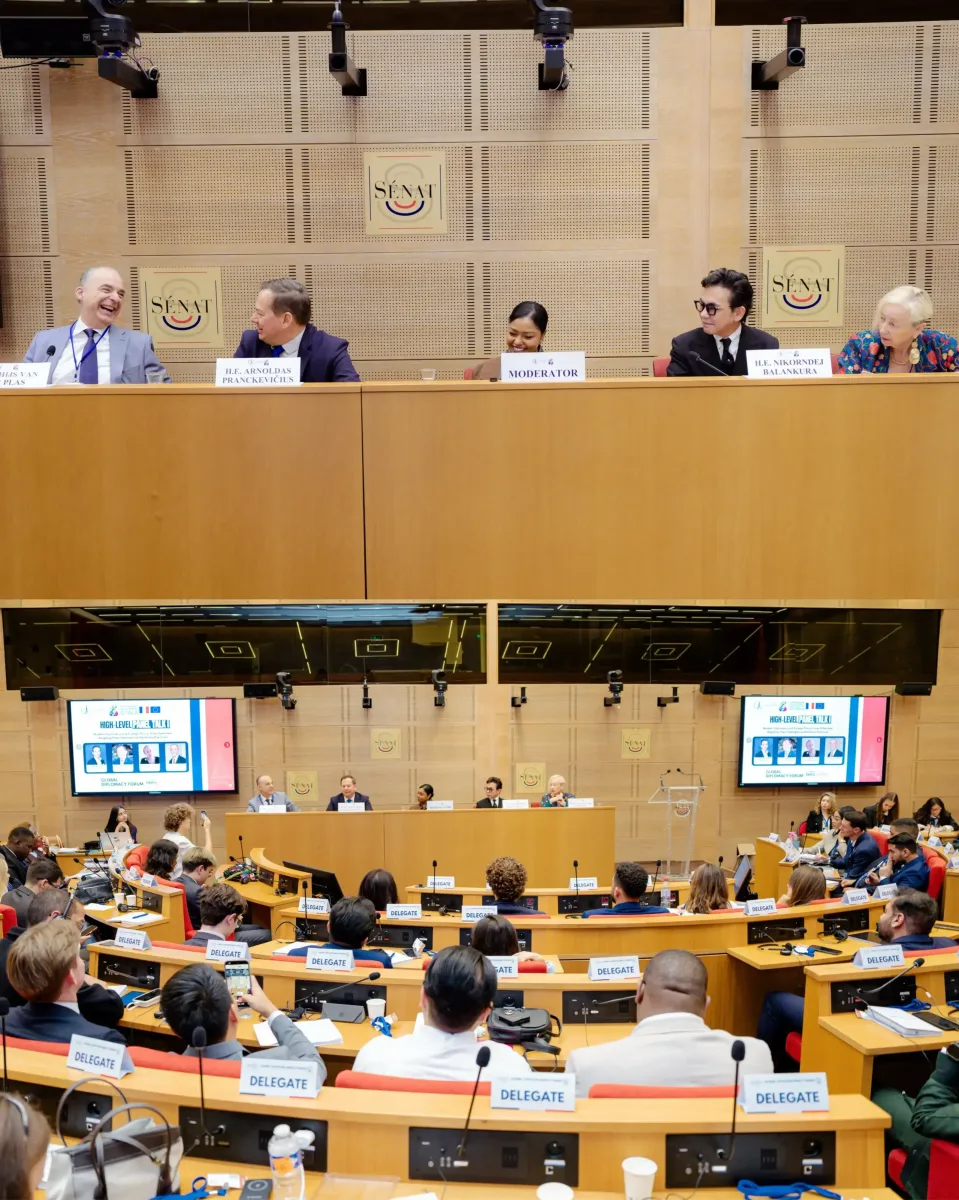
For example, the Youth Diplomatic Academy (YDA) organises international forums designed to connect aspiring diplomats and young leaders with members of the diplomatic and policymaking community. Such experiences can help students develop practical skills, gain international exposure and explore whether a future in diplomacy aligns with their interests.
Prepare for the Diplomatic Selection Process
Once you have identified your country's recruitment pathway and developed the necessary academic and professional foundation, the next step is preparing for the selection process.
Government diplomatic recruitment is often highly competitive. Candidates are assessed not only on academic knowledge but also on their ability to analyse information, communicate effectively and demonstrate sound judgement.
Although the exact process varies between countries, several areas commonly feature in diplomatic recruitment.
Analytical and Writing Skills
Diplomats frequently prepare reports, policy recommendations and official correspondence. Candidates should practise analysing international developments, identifying the interests of different stakeholders and presenting balanced arguments supported by evidence.
Communication and Interview Preparation
Interviews and oral assessments may evaluate your ability to explain complex issues, respond to challenging questions and communicate under pressure. Practise discussing current international affairs, explaining your country's foreign policy priorities and presenting reasoned perspectives on global challenges.
Judgement and Problem-Solving
Diplomatic work often involves situations where competing interests must be carefully considered. Candidates should develop the ability to evaluate different perspectives, identify practical solutions and approach sensitive issues with professionalism and discretion. Ultimately, successful candidates must demonstrate more than an interest in international affairs. They must show that they possess the judgement, integrity and professional capabilities required to represent their country.
Complete Diplomatic Training and Receive Your First Posting
Passing the recruitment process is a major achievement, but it is not the end of the journey. Newly recruited foreign service officers generally undergo specialised training before assuming their diplomatic responsibilities. The nature and duration of this training depend on the country and its foreign service structure.
Training may include:
Diplomatic protocol and official correspondence.
Foreign policy and international relations.
Consular affairs and assistance to citizens abroad.
International economics and trade.
Foreign language instruction.
Communication, administration and crisis management.
In Pakistan, for example, officers allocated to the Foreign Service of Pakistan complete the Common Training Programme at the Civil Services Academy in Lahore, followed by specialised diplomatic training at the Foreign Service Academy in Islamabad. The specialised course introduces officers to foreign policy, diplomatic theory and practice, international politics, international law, foreign trade and multilateral issues.
Following the required training and assessments, officers begin their professional responsibilities.
What Is a Diplomat's First Posting Like?
A diplomat's first assignment may involve working at the Ministry of Foreign Affairs or serving at a Pakistani embassy, high commission, consulate or permanent mission abroad, depending on the country's service structure and posting arrangements.
Early responsibilities can include preparing diplomatic reports, supporting official visits, assisting with consular matters, monitoring political developments, attending meetings and contributing to bilateral or multilateral engagements. With experience, diplomats may take on increasingly specialised and senior responsibilities, eventually progressing towards leadership positions within their foreign service.
Diplomacy is a long-term profession built through continuous learning, professional development and service.
Can You Start Preparing for Diplomacy While Still a Student?
Absolutely. You do not have to wait until graduation to begin developing the knowledge and abilities associated with diplomacy. In fact, university and even secondary school can be excellent starting points for exploring international affairs and building relevant experience.
Here are some practical ways to begin:
Follow international developments: Read about global political events, foreign policy decisions, international agreements and the work of multilateral organisations.
Develop your communication skills: Participate in debates, public speaking activities, student discussions and academic presentations.
Learn another language: Choose a language relevant to your interests and practise consistently.
Explore Model United Nations: MUN conferences can introduce you to negotiation, formal procedures, policy discussions and international cooperation.
Participate in youth diplomacy initiatives: Look for credible programmes offering diplomatic simulations, international forums, mentorship and opportunities to interact with diplomats.
These activities can help you develop a stronger understanding of the profession and prepare for future opportunities.
Does Youth Diplomacy Experience Matter?
One of the most common misconceptions about diplomacy is that meaningful engagement with international affairs begins only after entering government service. In reality, young people can begin exploring diplomatic practice long before they become professional diplomats.
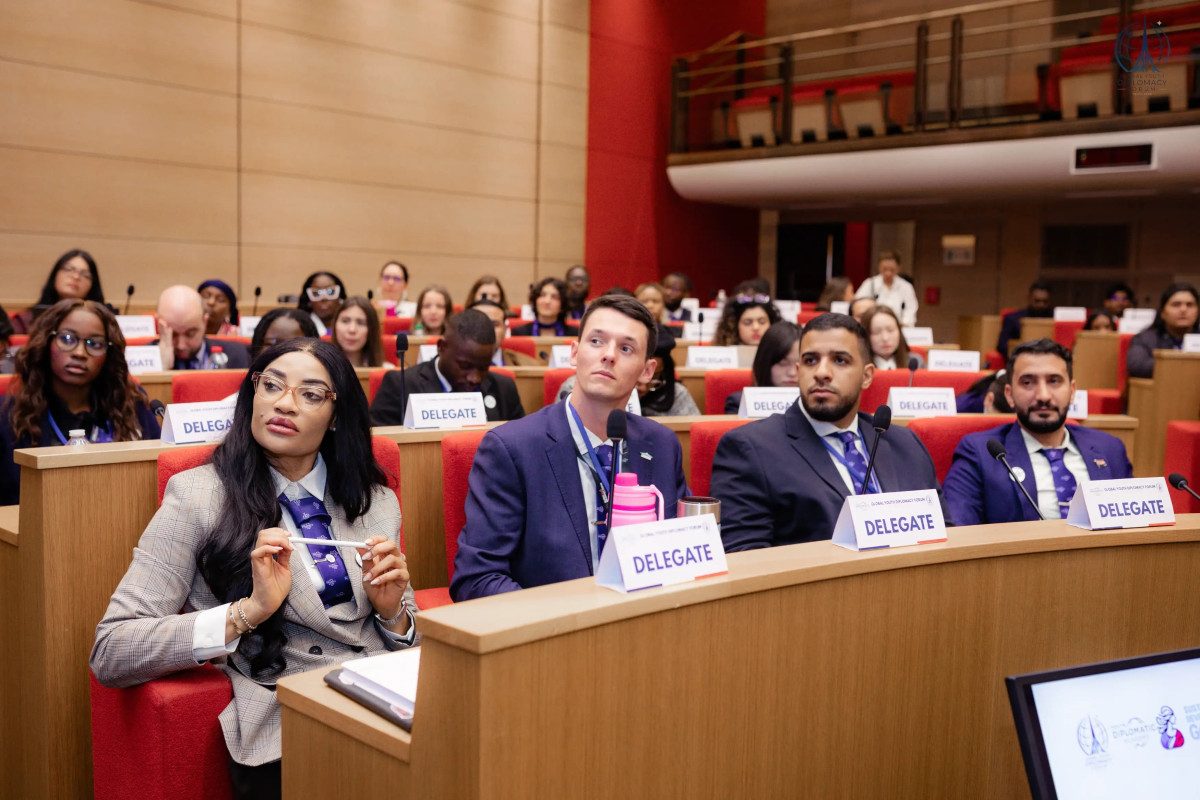
Youth diplomacy provides a platform for students, aspiring diplomats and emerging leaders to engage with international affairs through dialogue, simulations, academic discussions and interactions with members of the diplomatic community.
It can help participants develop several abilities relevant to future diplomatic careers:
Cross-cultural communication: Understanding and engaging with people from different national, cultural and professional backgrounds.
Public speaking: Presenting arguments and communicating ideas confidently.
Negotiation: Exploring different interests and working towards constructive outcomes.
Policy awareness: Understanding international issues and the considerations behind policy decisions.
Leadership: Taking initiative, collaborating with others and contributing to organised discussions.
International networking: Establishing professional connections and learning from individuals with experience in international affairs.
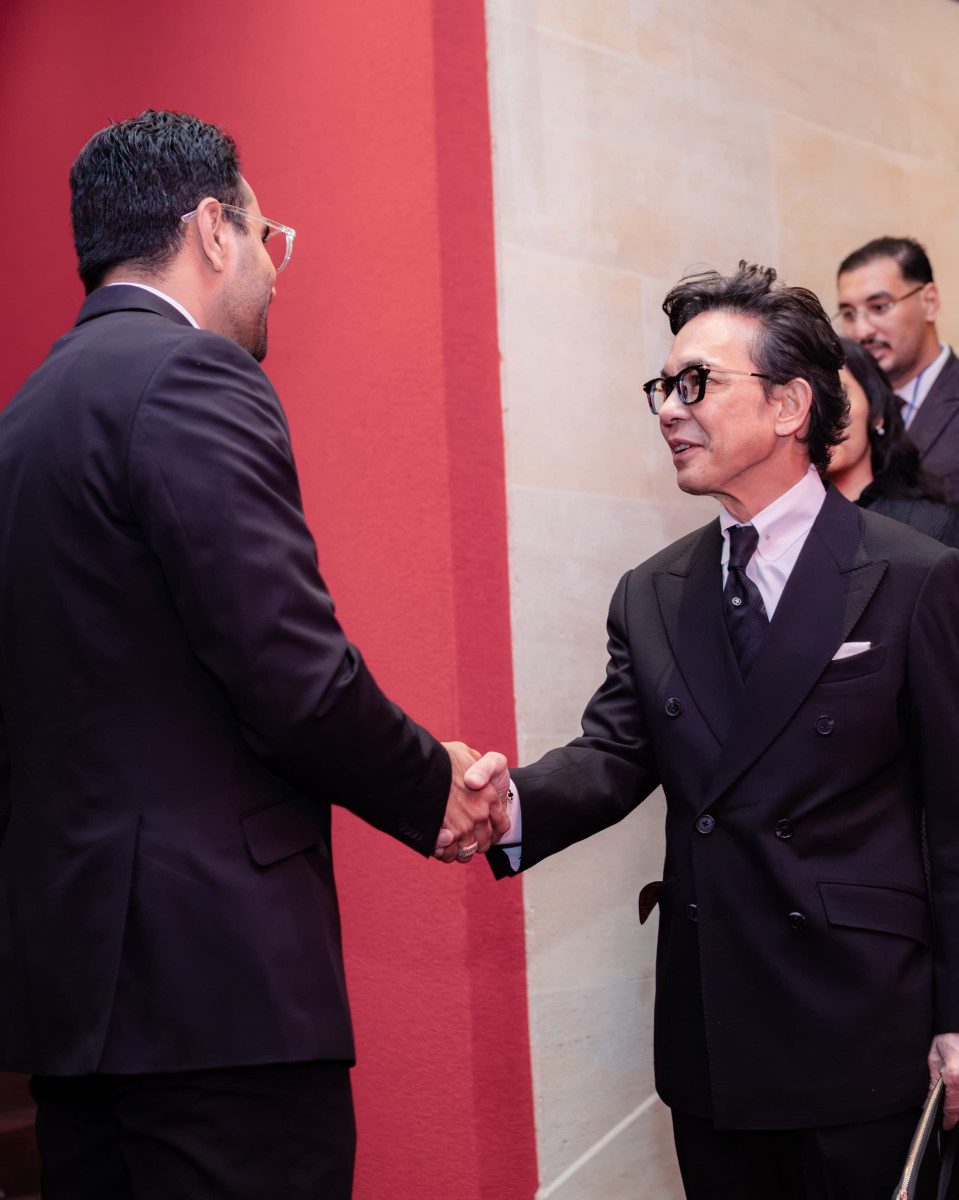
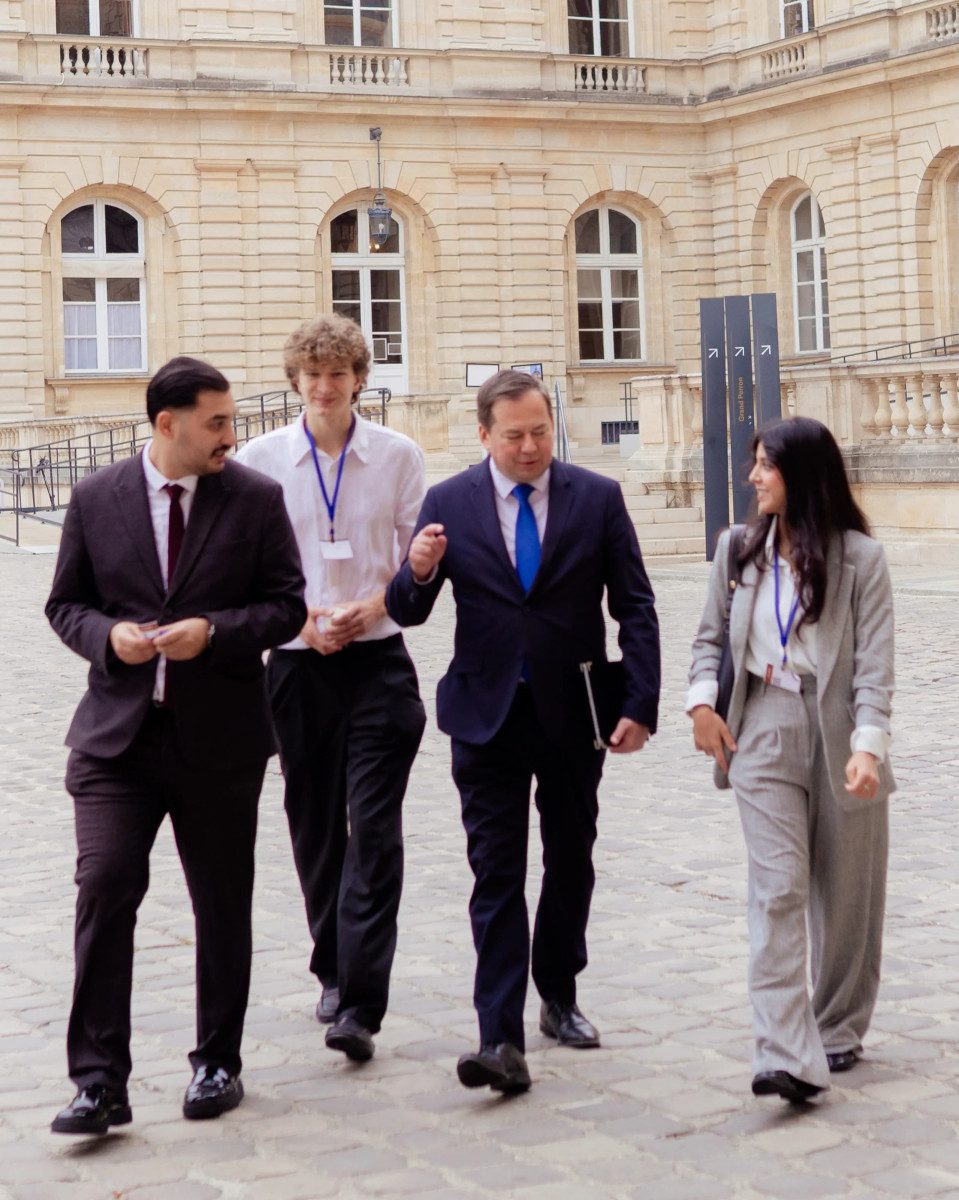
The value of these experiences lies in the knowledge, skills, exposure and perspective participants develop through active engagement. At the Youth Diplomatic Academy, this is precisely the opportunity we aim to create: bringing young people closer to the world of diplomacy and providing opportunities to engage with diplomats, policymakers and international representatives.
Explore International Diplomacy Through YDA
For aspiring diplomats looking to take their first steps into international engagement, the Fully Funded London Youth Diplomacy Forum 2027, organised by the Youth Diplomatic Academy, offers an opportunity to participate in an international diplomatic setting. Scheduled for 2–4 February 2027 in London, United Kingdom, the Forum will bring together aspiring diplomats, young leaders and members of the diplomatic community.
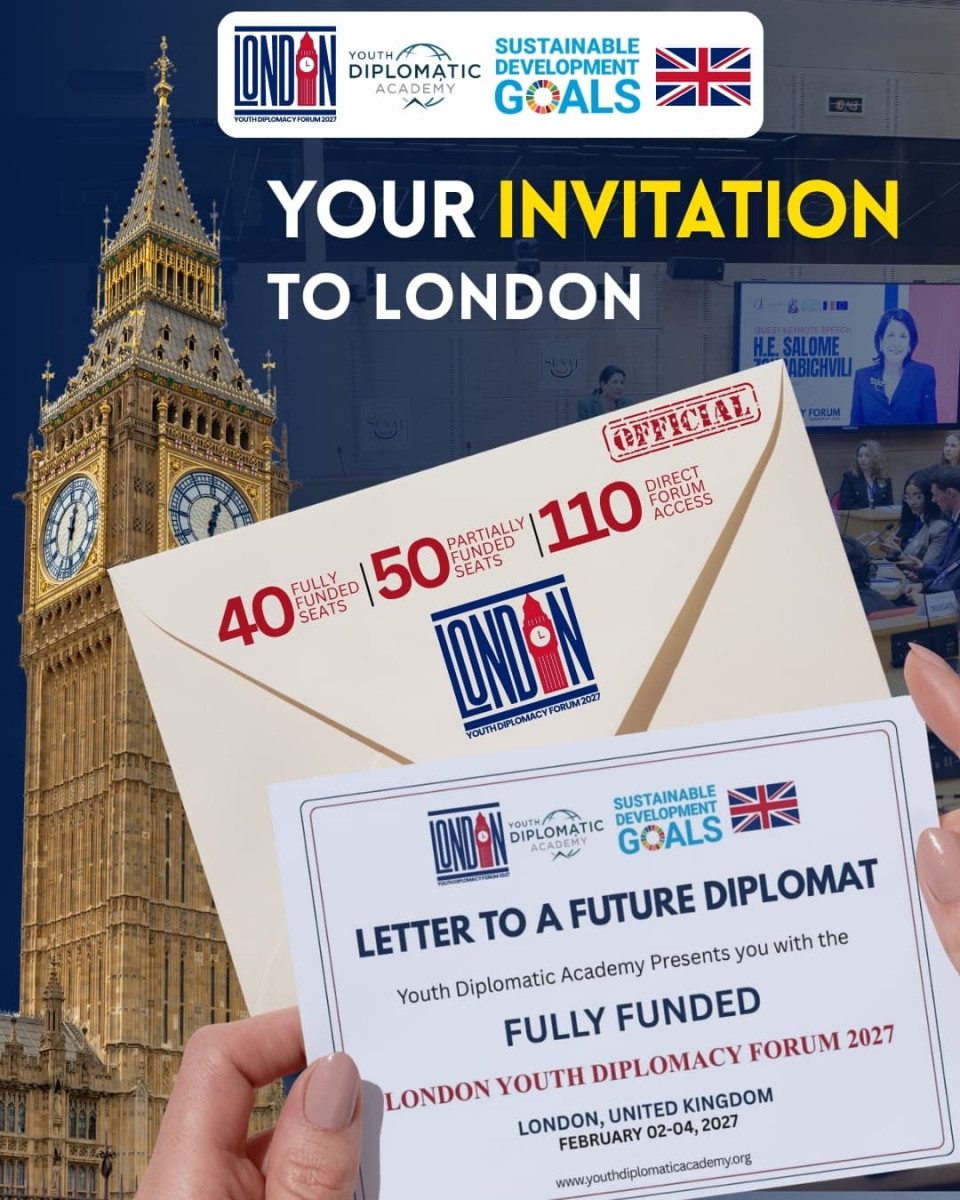
The programme will explore contemporary diplomatic challenges, youth participation in foreign policy, digital diplomacy and emerging pathways into international service. Participants will have opportunities to engage in structured debates, diplomatic discussions, professional exchanges and interactive activities.
With participants welcomed from different nationalities and backgrounds, the Forum aims to bridge the gap between young people and the institutions and individuals shaping international affairs.
For students and young professionals interested in exploring diplomacy beyond the classroom, such experiences can be a valuable starting point.
Explore the Fully Funded London Youth Diplomacy Forum 2027 and discover opportunities to engage with the international diplomatic community.
Application Deadline: 08 December 2026