
What Is Youth Diplomacy? A Complete Guide for Young People
Learn how young people are shaping global conversations and how you can join them.

Table of Contents
- What Is Youth Diplomacy, in Simple Words?
- Why Youth Diplomacy Matters
- What Do Youth Diplomats Actually Do?
- How Is Youth Diplomacy Different From Traditional Diplomacy?
- The Skills Youth Diplomacy Builds
- How to Get Started in Youth Diplomacy
- A Great Place to Start: The London Youth Diplomacy Forum 2027
Big decisions about your future are often made without young voices. Discover what youth diplomacy is, what youth diplomats do, the skills it builds, and how to take your first step.
You have probably noticed it: climate talks, conflicts, trade disputes, new rules for technology. Decisions that will shape your future are often made in rooms where almost nobody is under 40. Youth diplomacy is one of the ways that is starting to change. So, what is youth diplomacy, and how can someone your age get involved? This guide explains it in plain language, with no jargon and no prior experience required.
What Is Youth Diplomacy, in Simple Words?
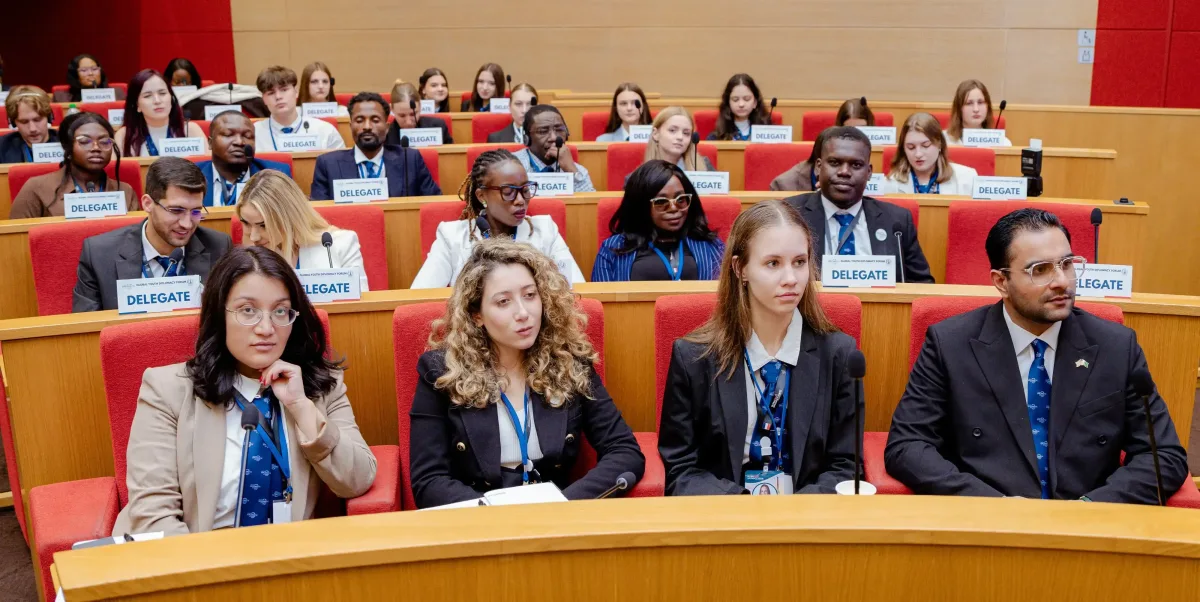
Youth diplomacy is young people building understanding, trust, and cooperation across borders. Traditional diplomacy is usually associated with ambassadors and ministers. Youth diplomacy says you do not have to wait for a title to start contributing to international relations. In practice, it means joining conversations about global issues, working with peers from other countries, learning how negotiation works, and bringing a youth perspective to people who make decisions. It can happen at an international youth forum, during an exchange program, in an online collaboration, or through a community project with a global angle.
The common thread is simple: you meet people who see the world differently from you, and you learn to find common ground without pretending the differences are not there.
Why Youth Diplomacy Matters
A large share of the world's population is under 35. Yet young people are rarely at the table when big decisions are made. That gap is exactly why youth diplomacy matters.
- You live with the consequences. Climate policy, job markets, digital rights, and conflict will affect your generation longer than anyone else's.
- Fresh ideas move things forward. Young people tend to question old assumptions and try new approaches, which is what stuck conversations often need.
- Peace is built person to person. When you have worked on a project with someone from another country, that country stops being a headline and becomes a friend. That shift in perception is powerful.
- It grows tomorrow's leaders. Today's participants become future diplomats, policymakers, entrepreneurs, journalists, and community leaders who already know how to work across cultures.
What Do Youth Diplomats Actually Do?
The title sounds formal, but the work is hands-on and surprisingly practical. Depending on the program, youth diplomats might:
- Attend international forums and summits and take part in discussions
- Research global topics and present their findings
- Practise negotiation by working through realistic scenarios
- Draft joint statements or policy recommendations with participants from other countries
- Take part in cultural exchange and learn how other societies think and work
- Launch local projects, such as awareness campaigns or community initiatives, with a global perspective
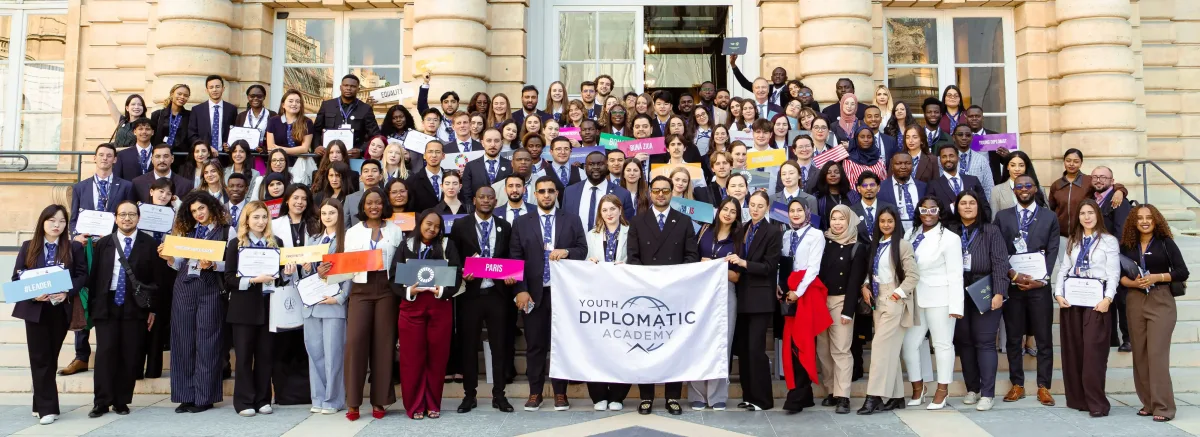
- Build networks of peers, mentors, and organizations that last well beyond one event
You do not have to represent a government to do any of this. You represent your ideas, your community, and your willingness to listen.
How Is Youth Diplomacy Different From Traditional Diplomacy?
They share the same goal, which is better cooperation between people and nations. The differences are in who is involved and how it works.
- Who takes part: Traditional diplomacy is carried out by official representatives of governments. Youth diplomacy is open to students, young professionals, activists, and volunteers.
- Authority: Traditional diplomats can sign agreements on behalf of a state. Youth diplomats do not make binding decisions, but they shape ideas, build relationships, and influence the conversation.
- Style: Official diplomacy is formal and often slow. Youth diplomacy tends to be more open, creative, and collaborative.
- Purpose: Traditional diplomacy manages relations between states. Youth diplomacy also focuses on learning, leadership development, and connecting societies from the ground up.
Think of it as a complement. Official diplomacy handles the formal agreements, while youth diplomacy builds the trust and the talent that make those agreements possible later.
The Skills Youth Diplomacy Builds
One reason people join a youth diplomacy program is that the skills travel with you into any career.
- Communication and public speaking: You learn to explain complex ideas clearly and speak with confidence.
- Cross-cultural understanding: You get used to different viewpoints and communication styles, which is valuable in any workplace.
- Negotiation and problem solving: You practise reaching agreements when people want different things.
- Critical thinking: You learn to look beyond headlines and examine issues from several angles.
- Leadership and teamwork: You lead and follow, sometimes in the same afternoon.
- Adaptability: Working across time zones, languages, and opinions teaches flexibility quickly.
These are the same skills employers, universities, and international organizations say they want, and they are hard to learn from a textbook alone.
How to Get Started in Youth Diplomacy
You do not need a perfect CV or a political science degree. Here is a realistic way to begin.
- Get curious about the world. Follow international news from more than one source and notice how different countries describe the same event.
- Pick an issue you care about. Climate, education, technology, peace, migration, or health all work. Passion keeps you going.
- Practise the basics. Join a debate club, a discussion group, or a community project where you work with people who are not like you.
- Look for opportunities. Search for a young diplomats program, a youth leadership summit, or an international youth forum that matches your interests and your stage.
- Apply, even if you feel underqualified. Most programs want motivated people who are ready to learn, not experts.
- Stay connected. After any event, keep in touch with the people you meet. Your network is one of the biggest long-term benefits.
A Great Place to Start: The London Youth Diplomacy Forum 2027
If you want hands-on experience instead of just reading about it, the London Youth Diplomacy Forum 2027 is a practical next step. It brings young people from different countries together to learn, discuss global issues from professional diplomats, and build connections that can last. Visit the event page for the latest details on eligibility, dates, and how to apply, and take your time reading it before you start your application.
Young people are not just the future of diplomacy. They are already part of it. All it takes to begin is curiosity and the courage to take the first step.